Town of
Hürth
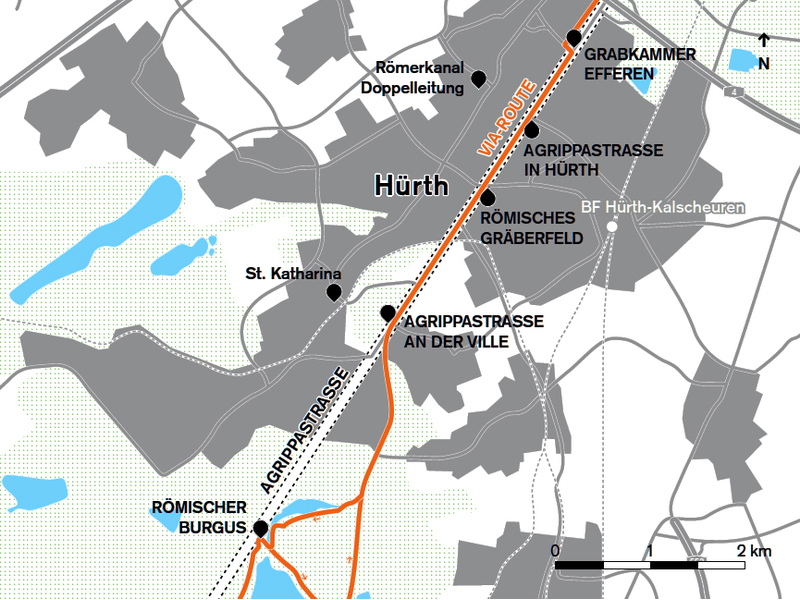
The municipality of Hürth, with a population of around 60,000, was granted town rights in 1978, but the districts of Gleuel and Sielsdorf were already mentioned in documents dating back to 898. What's more, during the Roman Empire, the area that is now the town played an extremely important role for two reasons. Not only did the important Via Agrippa between Cologne and Trier run through the area, but also the only water pipeline supplying the neighbouring provincial capital.
Following the path of the water
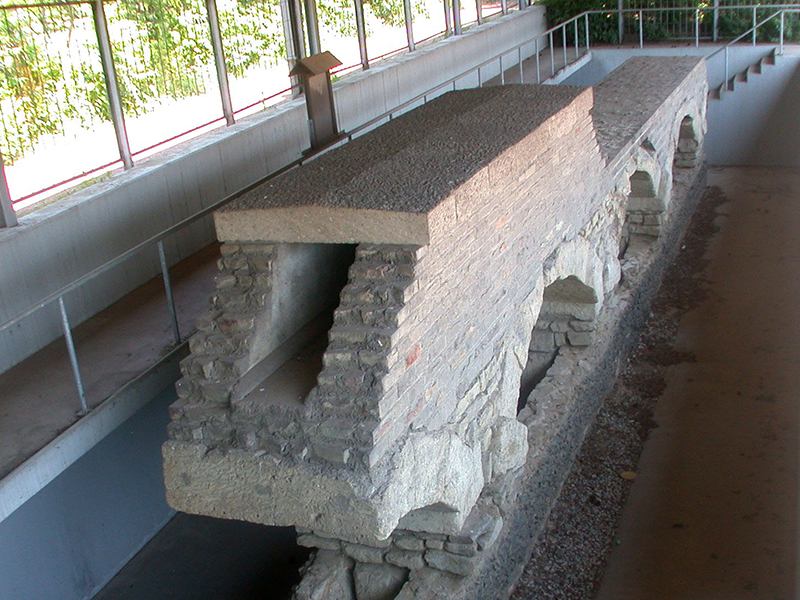
Three pipelines from the Hürth foothills converged in the Hermülheim castle park area and continued on to Cologne from there. Impressive evidence of this construction can still be found today: behind the Friedrich Ebert Secondary School, visitors can marvel at a section of the Roman aqueduct, which was built in the first half of the first century.
Those who build will find.
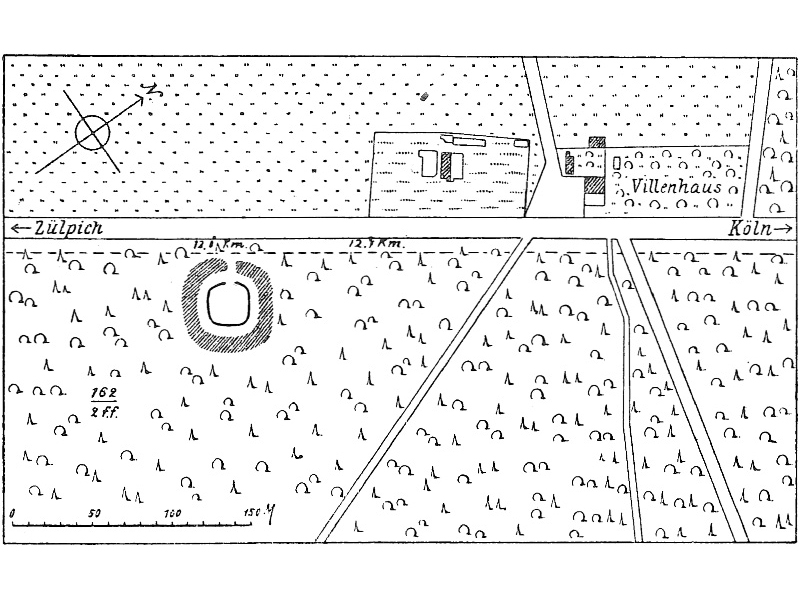
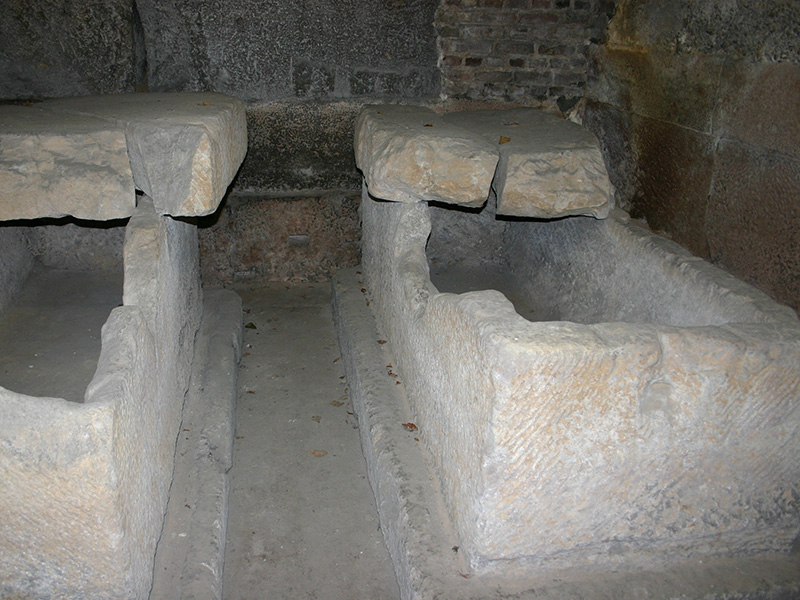
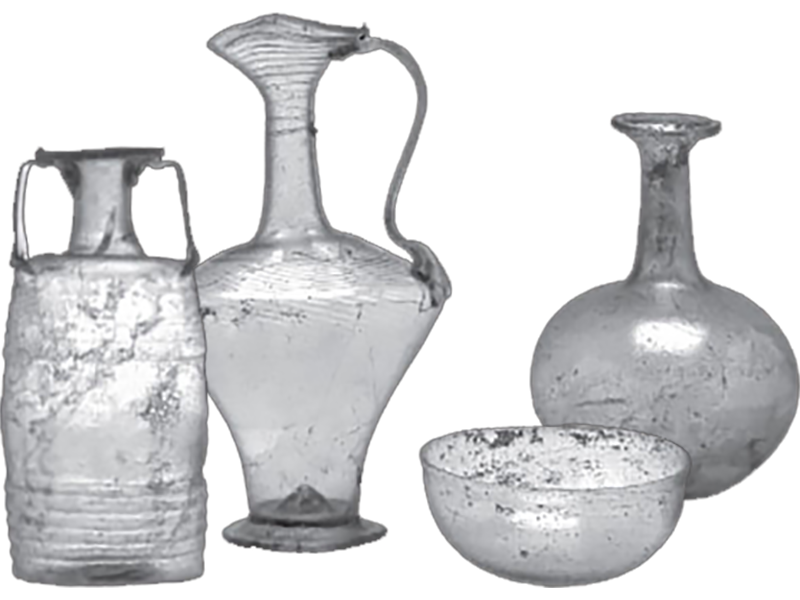
The route of the Roman Road Adventure Trail runs almost entirely from Cologne along the former Via Agrippa, where Roman graves are repeatedly discovered during construction work – such as the burial chamber built of red sandstone blocks in the Efferen district. It is considered one of the most important Roman burial sites in Germany and is open to visitors.
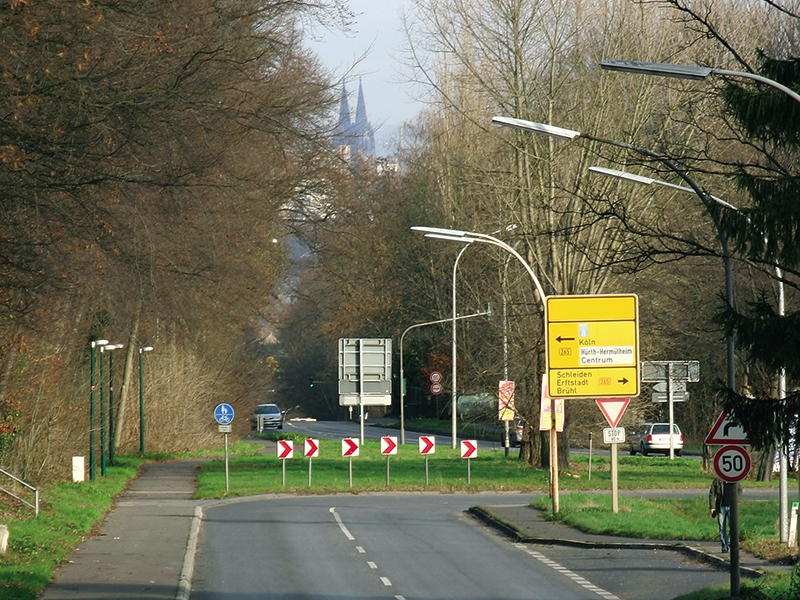
A worthwhile break: once you have made it up the “Hürther Berg” hill, you will be rewarded with a unique view of the Cologne Bay and the Siebengebirge mountains in clear weather.