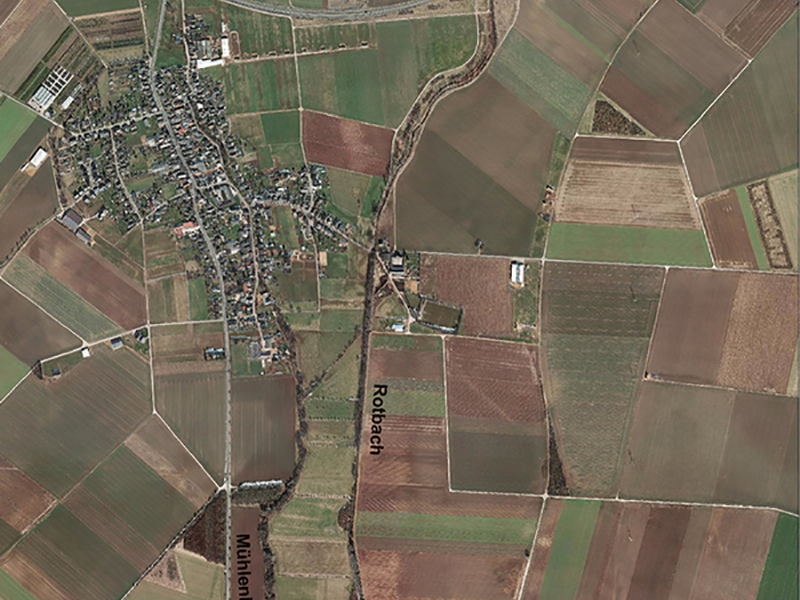
Erftstadt has only been on the map since the local government reorganisation of 1969. However, numerous archaeological finds in the individual districts testify to the long history of what is now the urban area. A history that was shaped not least by the city's namesake.
Where waterways make history
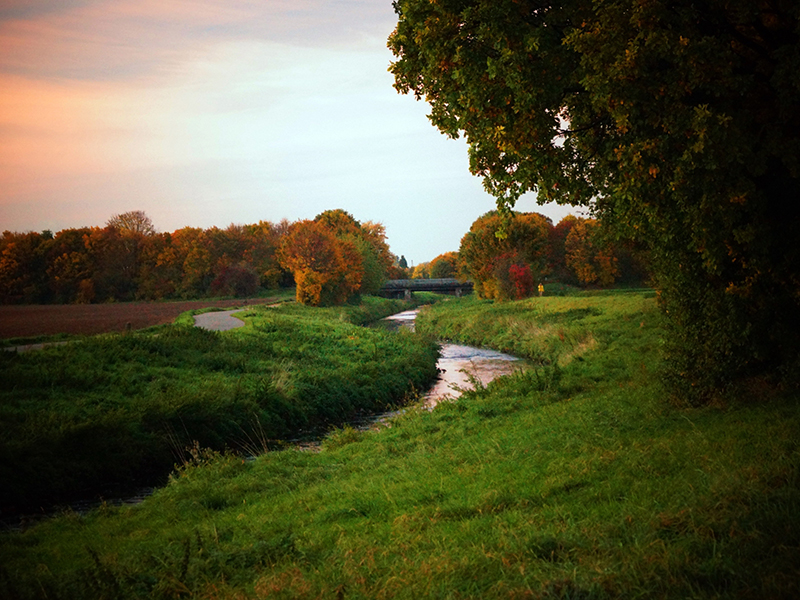
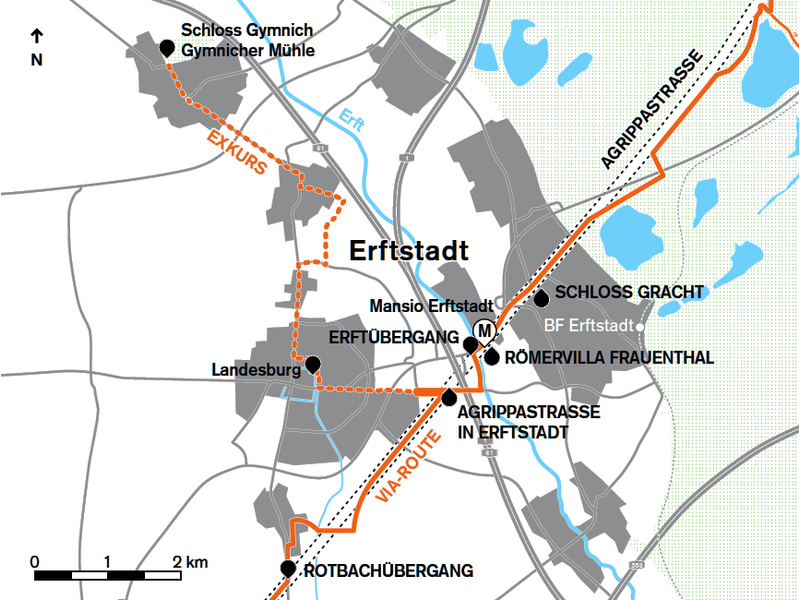
The Erft, which winds its way through the town, was already an important transport link during the Roman Empire. Presumably navigable from what is now the district of Bliesheim, this tributary of the Rhine was an indispensable addition to the Agrippa Road for the transport of Roman goods and weapons. Added to this were the fertile soils in the region, which are probably also the reason for the numerous Roman estates that have been unearthed.
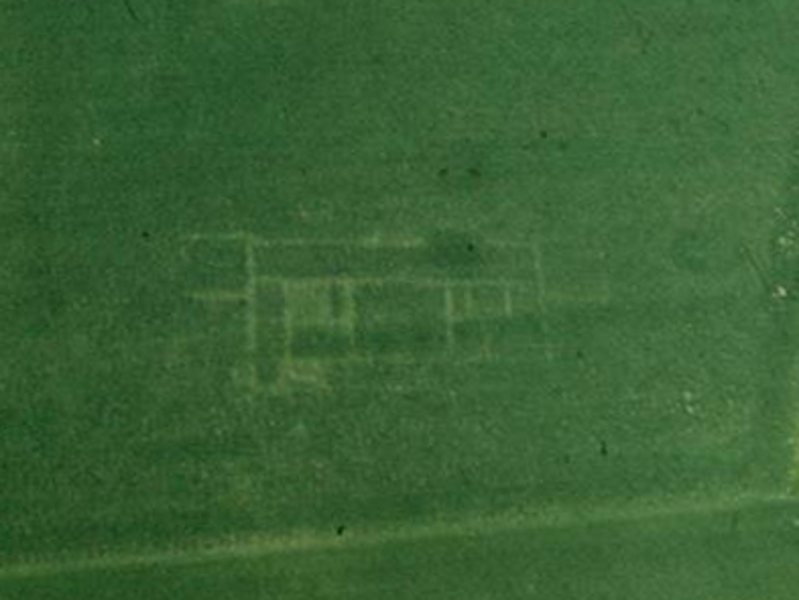
The so-called Porticus Villa in Frauenthal, a Roman estate measuring 50 metres in length with an estimated courtyard area of 4.8 hectares, is one of the most outstanding discoveries. The site itself is not open to visitors, but an information stele provides details about the former country house. The Mansio Erftstadt is also just a stone's throw away.
Mansio Erftstadt
In the pavilion, visitors can find information about the Roman Road Adventure Trail and other sights along the route. The route, which is mostly paved, largely follows the historical course of the Via Agrippa. Once you have conquered the Hexenberg hill in the direction of Zülpich, you can take a break and enjoy a great view of the Eifel.