-
Roman bath
-
-
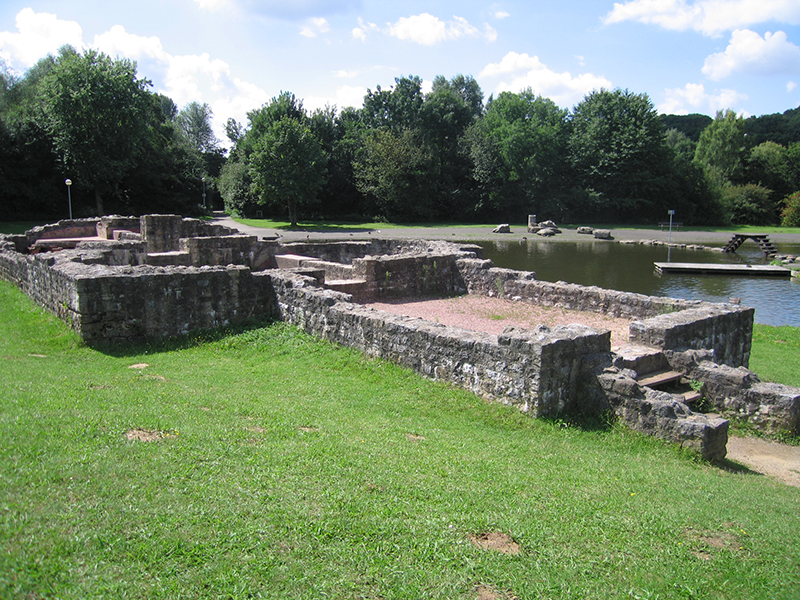
The Roman baths in Übach-Palenberg were discovered in 1988 during the development of the local recreation area. The archaeological site was part of a Roman estate (villa rustica). The ruins reveal the original character of the bathing rooms and the entire building
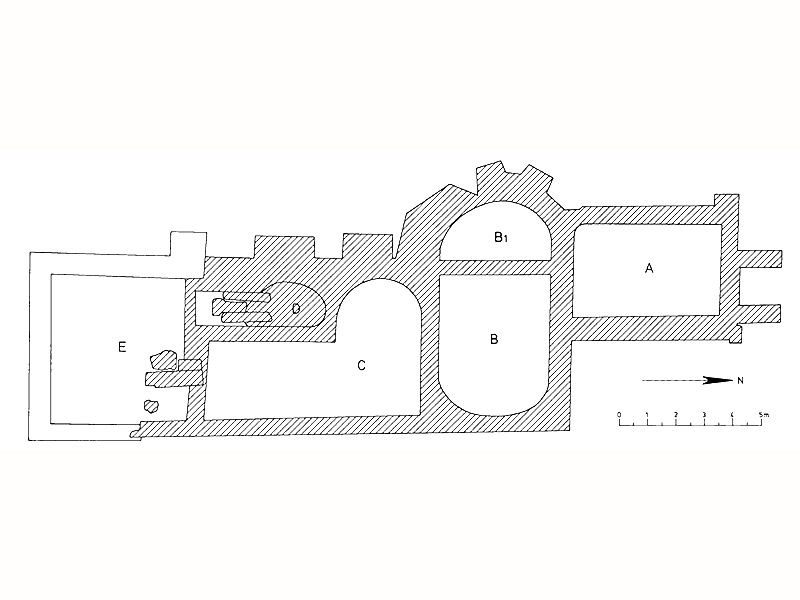
The 13 x 6 metre bathhouse was probably located directly on the banks of the Wurm River in Roman times. The entrance in the north led first to the changing room, then to an oval, unheated bathing room with cold water pools, and finally to a heated bathing room, which was connected to a separately heated sweat room. This means that all the temperature levels usual for classic Roman bathing were represented. Some finds from the building prove that the facility was used in the 2nd and probably also in the 3rd century AD.
The west side of the building had particularly strong foundations – an indication that the water of the Wurm river could reach the front of the building in Roman times and wash it away during floods. The Roman engineers built the front so well that it has survived for almost 2000 years. Incidentally, the ancient wall remains are set apart from the modern brickwork by a recessed joint.
The conservation work on the ruins was carried out under the direction of the LVR Office for the Preservation of Archaeological Monuments in the Rhineland and on behalf of the town of Übach-Palenberg.