

-
The leprosarium near Rövenich – beggars and bandits
-
-
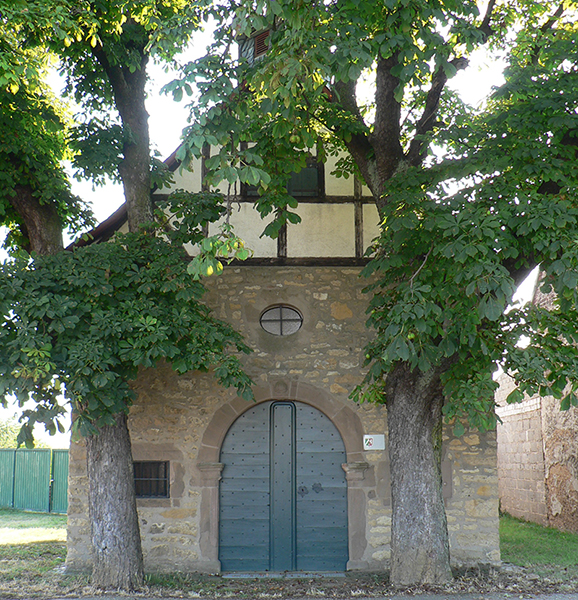
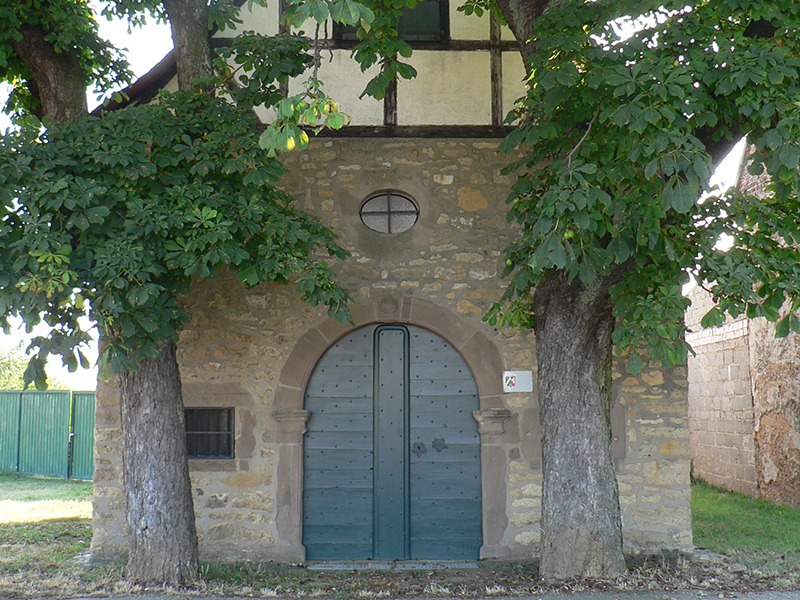
The medieval Siechen Chapel near Rövenich has survived the passage of time. It was built during the great plagues of the 15th century. It is located next to the Via Agrippa, which has been built over by a modern federal highway.
Like many other Roman highways, the Via Agrippa continued to be used in the Middle Ages. At that time, leprosariums for lepers suffering from the plague, leprosy or other infectious diseases were built along such transport routes, including just outside Zülpich. They lived there – in isolation – on alms and donations. To ensure that the sick could beg sufficiently, leprosariums were often located at busy crossroads such as this one.
In 1486, the leprosarium near Rövenich was founded by the wealthy Elisabeth von Brohl. It consisted of six leper huts, an inn for the sick and a chapel. The end of the 17th century saw the gradual end of the era of great epidemics. Criminals increasingly used the leprosariums as hiding places. The deserted soldier and robber Matthias Garding, for example, initially found refuge here. From 1708 onwards, a series of robberies and murders, apparently committed by his gang, unsettled the population. A few years later, the dilapidated and defunct leprosariums were demolished.
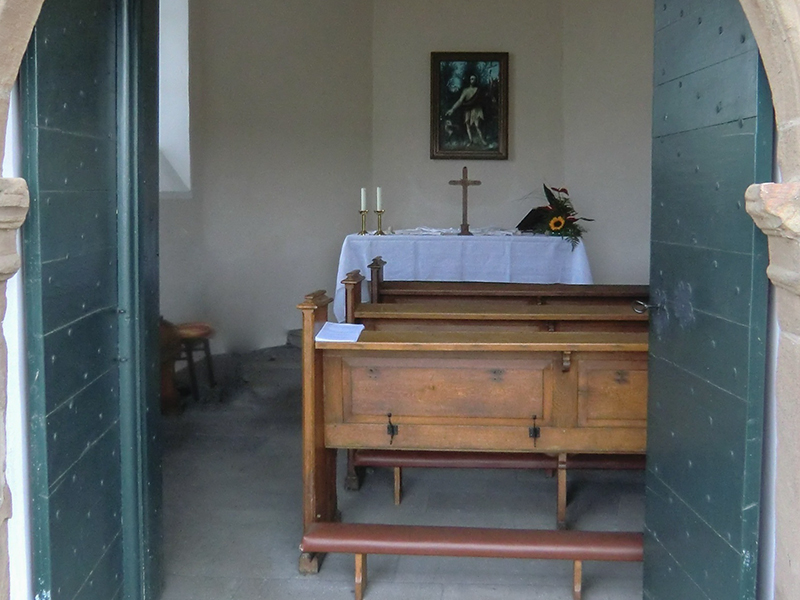
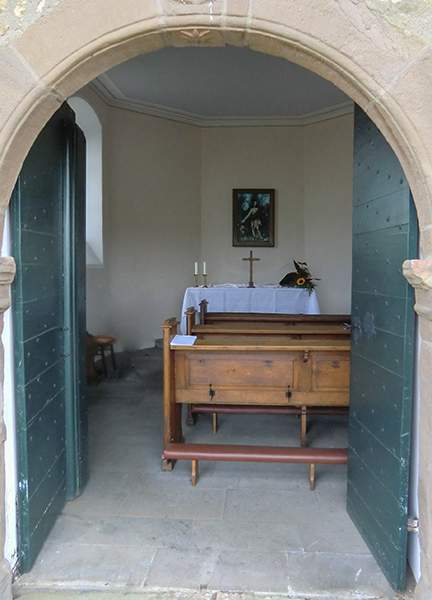
The lepers' chapel was built at the same time as the settlement in the 15th century. It underwent various alterations in later centuries. It is a small quarry stone hall building with a half-timbered gable tip and round-arched windows on the choir side, under a hipped roof and ridge turret. On the inner choir wall, an altarpiece depicts John the Baptist as a preacher in the desert. An inn was built next to the Siechhaus Chapel, which still exists today. Pilgrims and travellers have stopped here for centuries. Today, visitors can again dine and stay overnight at the inn.