-
Archaeological Landscape Park
-

-
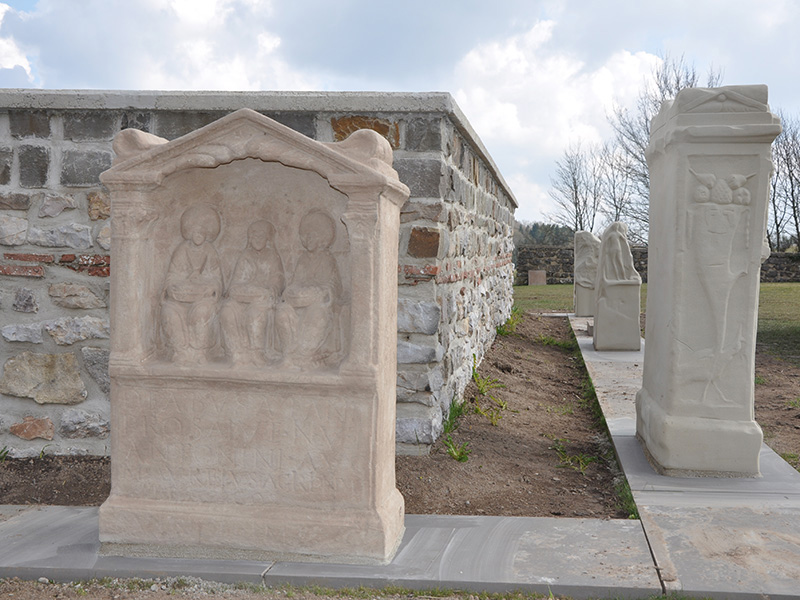
Marcomagus: A vicus on the Urft
A Roman settlement stretched along the Via Agrippa from Nettersheim down into the Urft Valley. It can be assumed that this vicus, which has been under investigation by the Archaeological Institute of the University of Cologne since 2009, is the ancient Marcomagus. This place name is already recorded on the Tabula Peutingeriana, a late Roman road map.
Below a matron sanctuary, the so-called Görresburg, this vicus was connected to its typical strip houses, with their narrow sides facing the road. Construction of the settlement began in the second half of the 1st century AD at the latest. Traders and craftsmen settled here. The centre of the village was located in the Urft Valley, with a square and a road station. The beneficiaries stationed here were entrusted with monitoring the road.
During the Frankish invasion in 275, the settlement was apparently completely destroyed. Most of the buildings were not rebuilt afterwards. Only the central area in the Urft floodplain continued to be inhabited. A small fort was built here at the beginning of the 4th century.
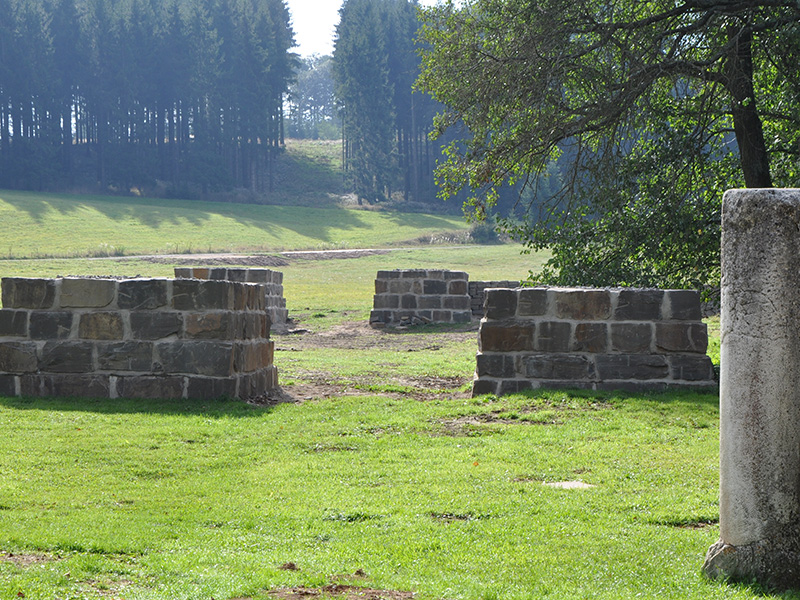
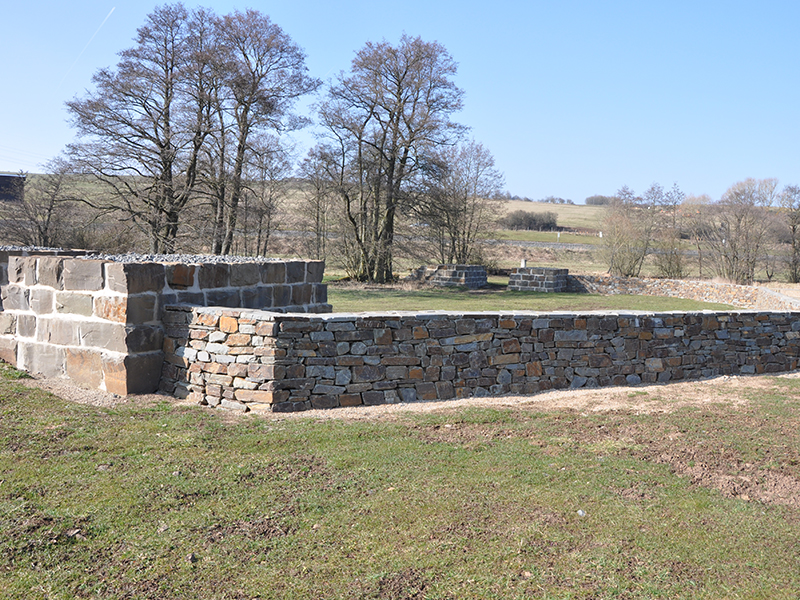
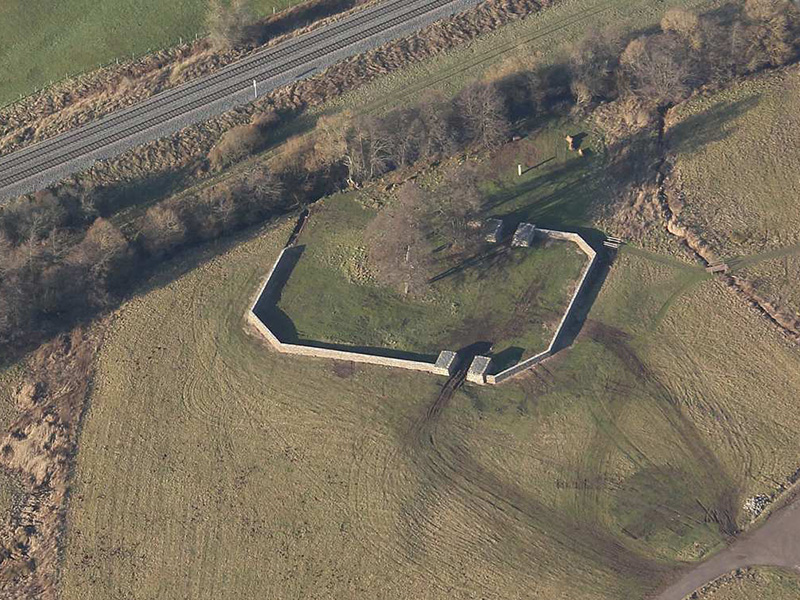
The Nettersheim Archaeological Landscape Park
As part of the ‘Römerstraße Experience Area’ project, the municipality of Nettersheim has created an archaeological landscape park, which opened in spring 2014. The archaeological sites within the park have been made visible and accessible. An interpretive trail invites visitors and walkers to discover what everyday life was like in Roman times. Admission is free.
Families and groups will also find a wide range of specially tailored events and activities that allow them to experience Roman life first-hand.
For further information, please visit
Nettersheim Archaeological Landscape Park