

-
Roman burial ground
Aachener Weiher pond
-
-
Aachener Weiher pond
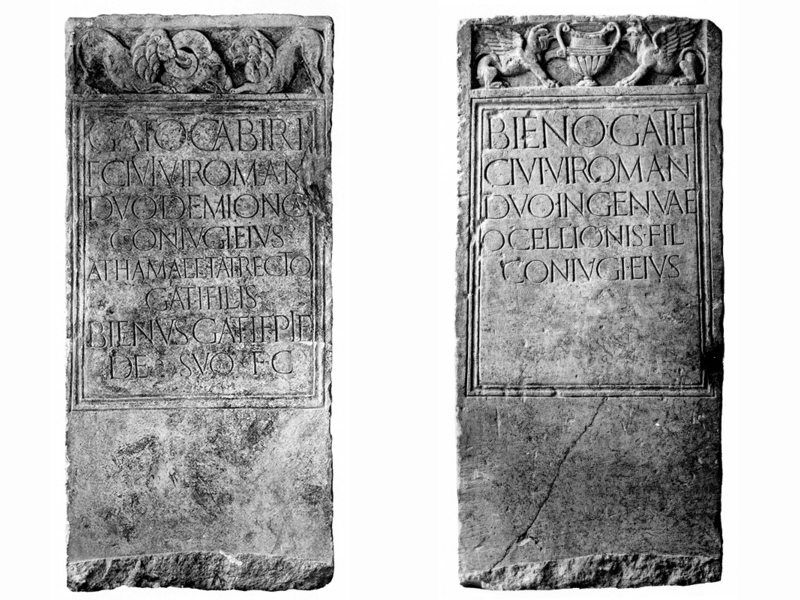
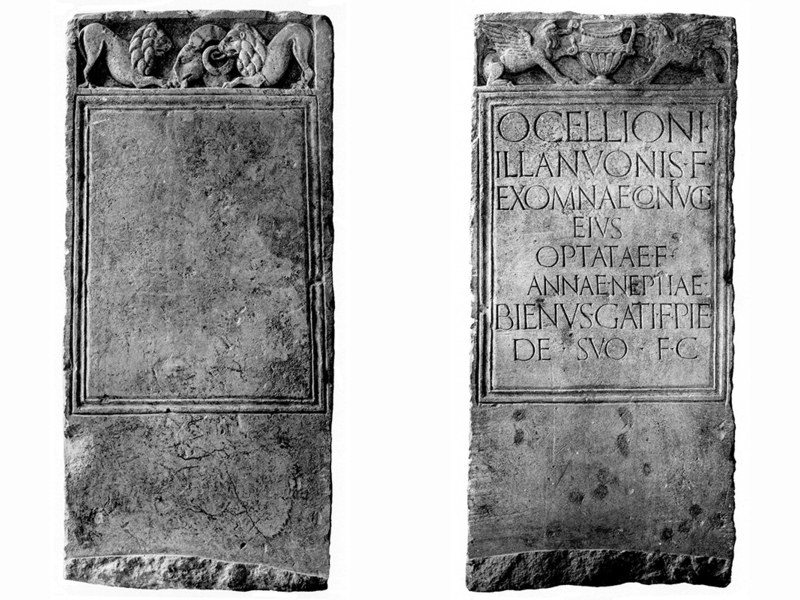
In Roman times, the road ran for around two kilometres through extensive cemeteries. According to Roman law, these were only allowed to be located outside the city walls. The above-ground design of the graves depended on the wealth of the family. Prestigious burial sites were concentrated in prominent areas near the road. Inscriptions, statues and reliefs reminded passers-by of the deceased, their origins and their life's work.
Today, Aachener Straße, the most important east-west axis of modern Cologne, crosses the inner green belt. The Aachener Weiher pond is part of these park facilities. They were created on the site of the inner fortress belt after the demolition of the Prussian fortress of Cologne in the 1920s. Fort VI "Friedrich der Niederlande" also fell victim to this demolition. When this fortress building was constructed directly next to Aachener Straße, the course of the road was again respected.
The surrounding hills of the Aachener Weiher pond consist of rubble from the city destroyed in the Second World War and cover the former "Maifeld“, a parade ground of the National Socialists in the Third Reich for 200,000 people.
The Museum of East Asian Art is located on the western edge of the Aachener Weiher pond. It was built in 1977 according to the design of Japanese architect Kunio Maekawa.